How does violence function in scripture? Who is harmed by particular interpretations? How can responsible reading of the Bible interrupt, rather than perpetuate, harm?
These questions and more are explored in the new landmark major reference work: The Bible and Violence on Bloomsbury’s Theology & Religion Online (TARO) platform. Bringing together over 100 chapters by scholars from around the world, these volumes examine violence in biblical texts and in their use across history and into the present day.
Free-to-read sample chapters
To celebrate the launch and support ongoing classroom discussions and research, several chapters are free to read on TARO’s Topic in Focus page for a limited time, including:
- Introduction: Bible and Violence in 100+ Chapters by the editors, Chris Greenough, Johnathan Jodamus, Mmapula Diana Kebaneilwe & Johanna Stiebert
- Incel Ideologies, Misogynistic Terrorism and the Bible by Chris Greenough
- Biblical and Religious Themes in Extreme Right-Wing Discourses by Kate Barber and Emily Powell
- Rape Culture and the Bible: The Efficiency of Rape and Rape Propaganda by Grace Smith
For more chapters, see here: www.theologyandreligiononline.com/featured-content
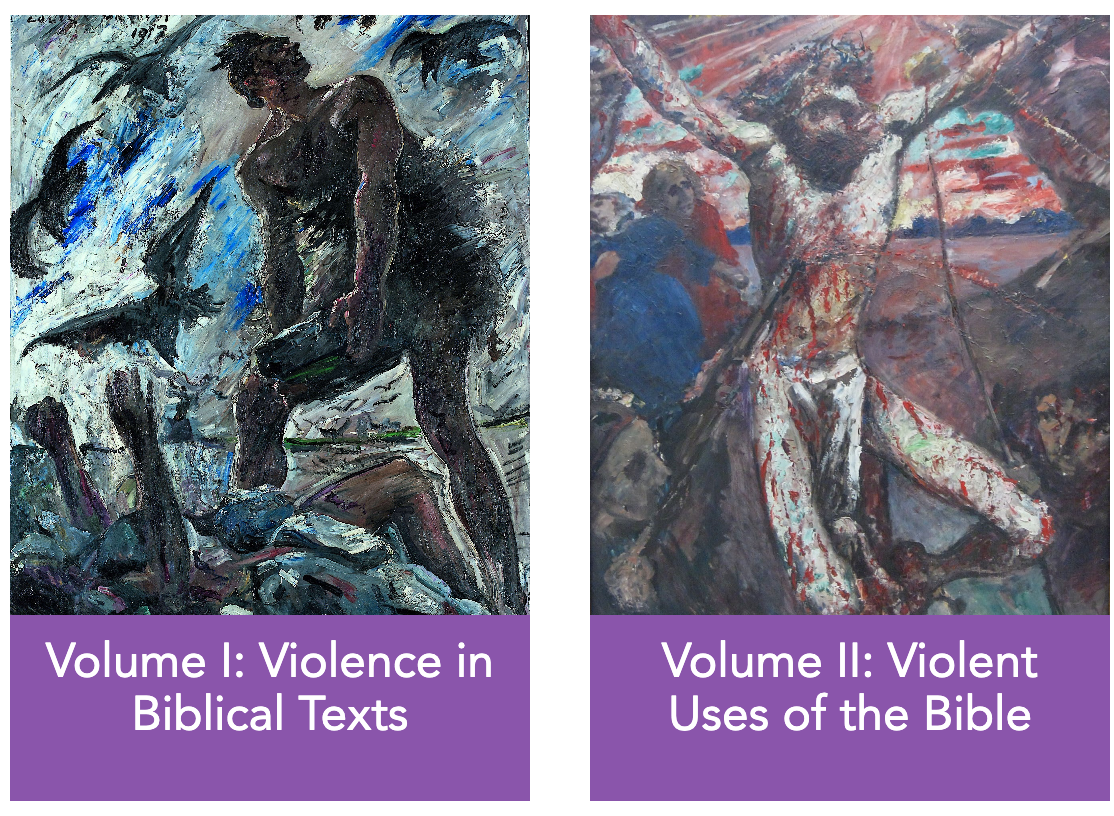
Many of the chapters in the volumes will hold interest for followers of the Shiloh Project. For a full listing of the Table of Contents, see here. There are chapters covering each of the books in the Hebrew Bible and New Testament, plus chapters on some additional influential texts (Volume 1). There are also chapters on diverse violent uses/applications of biblical texts (Volume 2).
Alongside the open access chapter on rape culture by Grace Smith, listed above, Shiloh readers might be interested in the following (just a sample!):
Violence in Paradise: Reading Genesis 1:1–2:4a from a Samoan Taulima Hermeneutical Perspective (by Arthur Wulf); Nobody Is Safe: Systems of Oppression, Ambiguity and the Use of Violence in Judges (by Katherine Southwood); Grasping the Threshold: A Consideration of Family Violence in Judges 19 (by Amy Kalmanofsky); Violence in the David Narrative: A Divine Order (by Barbara Thiede); Violence and the Book of Esther (by Katherine Gwyther); Something Baaaaad is Happening in Bethlehem: A Wicked Reading of Violence in the Book of Ruth (by Kimberly D. Russaw); Violence and the Song of Songs (by Laura Quick); Physical and Sexual Violence in Ezekiel (by Emily Allsopp); On Censoring Biblical Narratives of Sexual Violence in the Synagogue (by Tali Artman Partock); Sexual Violence in the Crucifixion of Jesus (by David Tombs); Patriarchal and Colonial Violence in Exegetical Interpretations of the Women in Jesus’s Genealogy (by Sébastien Doane): Physical and Sexual Violence in the Apocrypha/Deuterocanonical Books (by Bailey Freeburn); Violence in the Nag Hammadi Texts: Reading Sexual Violence and Trauma in Nag Hammadi Codex II (by Rikki Wenxin Liu): Reading the Story of Jephthah’s Daughter (Judg. 11) in the Light of Contemporary Experiences of Spiritual Abuse (by Kirsi Cobb and Sarah Molyneux-Hetherington); The Bible and the Violence of Translation: The Sordid Case of Ezekiel 16 and the Suppression of the Rape of Jerusalem (by L.S. Stone); Trafficking and Enslavement in the Hebrew Bible (by Ericka Shawndricka Dunbar); A Wor(l)d Without Violence Against Women? Toward Reckoning with the Historic Patriarchy of ‘Our’ faith in John 8:1-11 (by Miranda Pillay); Promising Equality, Scaffolding Violence: Complementarianism as gender-regime, masculinity and gendered violence (by Rosie Clare Shorter); Seeing Hidden Crimes: Visual Art as Witness to Violence against Biblical Women (by Holly Morse); A Triptych of Biblical Violence Towards Gay and Transgender Christians: The Case of Malaysia(by Joseph N. Goh); The Bible and Transphobia: The Violence of Binarism (by Alex Clare-Young);Violence and Biblical Sex Work (by Sarah Nicholson): Violence, Trauma, and the Bible (by Alexiana Fry): The Uses of Biblical Texts and God Language by Religious Organisations in the Worldwide Sexual Abuse Crisis of Children (by Kathleen McPhillips); The Bible and Slow/Everyday Violence(by Amy C. Cottrill); The Bible and Violence in Indian Tribal Christian Communities (by Chingboi Guite Phaipi); Striking like the Morning Star: How can Song of Songs 6:4–10 prevent domestic abuse? (by Erin Martine Hutton); Liberative Bible Readings to Combat Violence at Talitha Qumi Centre Legon, Ghana (by Joyce Boham) and Resisting interlocking systems of violence: the Ujamaa Centre’s CBS praxis (by Gerald West, Sithembiso Zwane and Charlene van der Walt) …
Want more access?
The Bible and Violence collection is available for institutional purchase via subscription or perpetual access. For more questions and to arrange a free trial for your institution, recommend the resource to your librarian.
You can learn more about the digital resource by visiting: www.theologyandreligiononline.com/the-bible-and-violence
Print copies of the volumes will be available for library purchases later this year.